 LP coversIn progress
A hundred covers, one artwork.
The record sleeves for nondual, an LP by the musicians Schmidt and Rojas. No two are alike. Buyers choose the one they want.

A closer look.


The problem
He wanted the print I'd given him.
One of the musicians is my cousin. I'd given him a print from Automata, my series of generative artworks: patterns that grow row by row from simple rules. The music was done, and it needed a cover. He didn't want a new piece made for the record. He wanted that exact print on it.
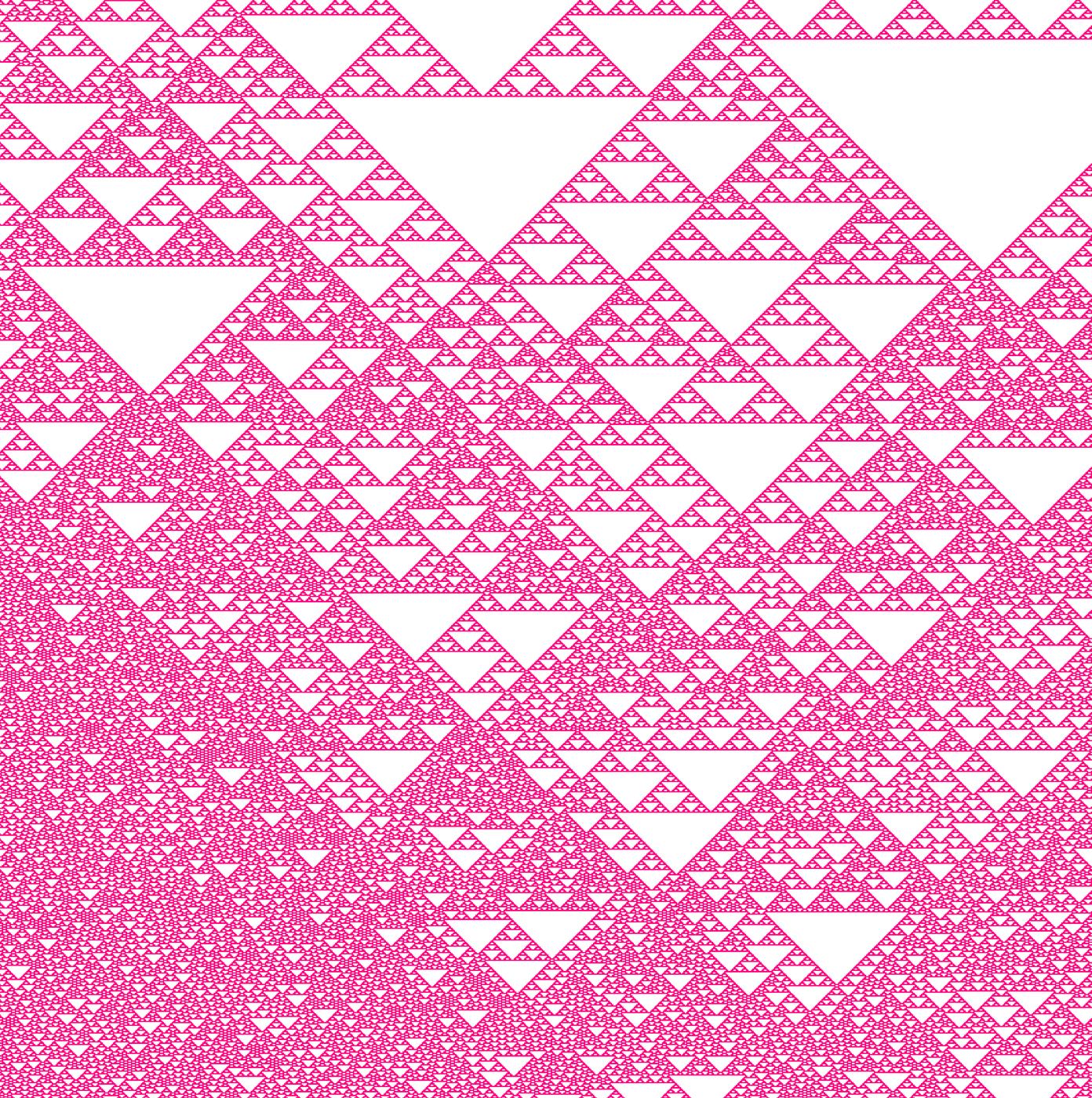
One of the hundred fronts.
What I owned
I was the technical artist, and I built it with Swift and Metal: 100 fronts from one artwork, and 200 backs.
-
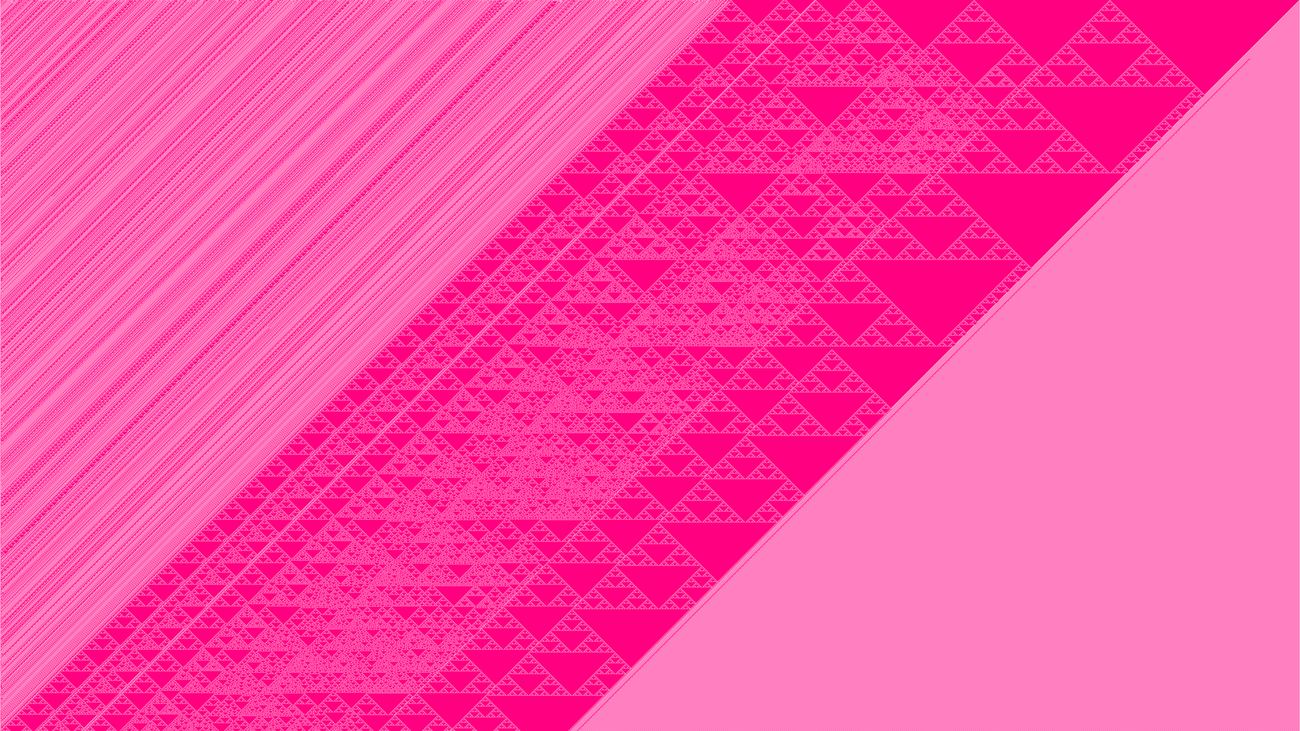
The rebuild.
I rebuilt the artwork from the print, pixel by pixel.
-
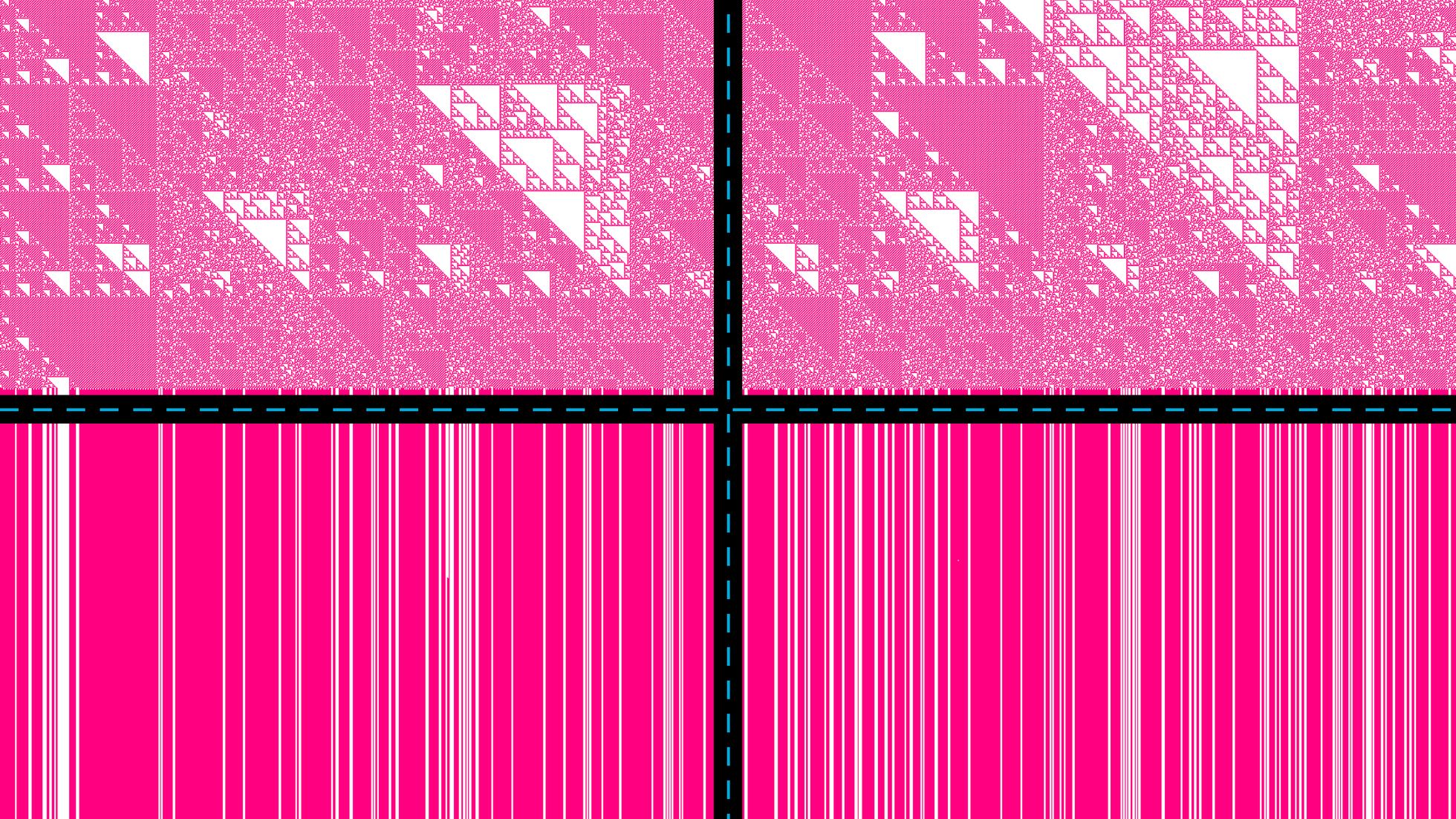
The math.
I built the math so each cover picks up exactly where its neighbour leaves off, through the cuts and folds.
-
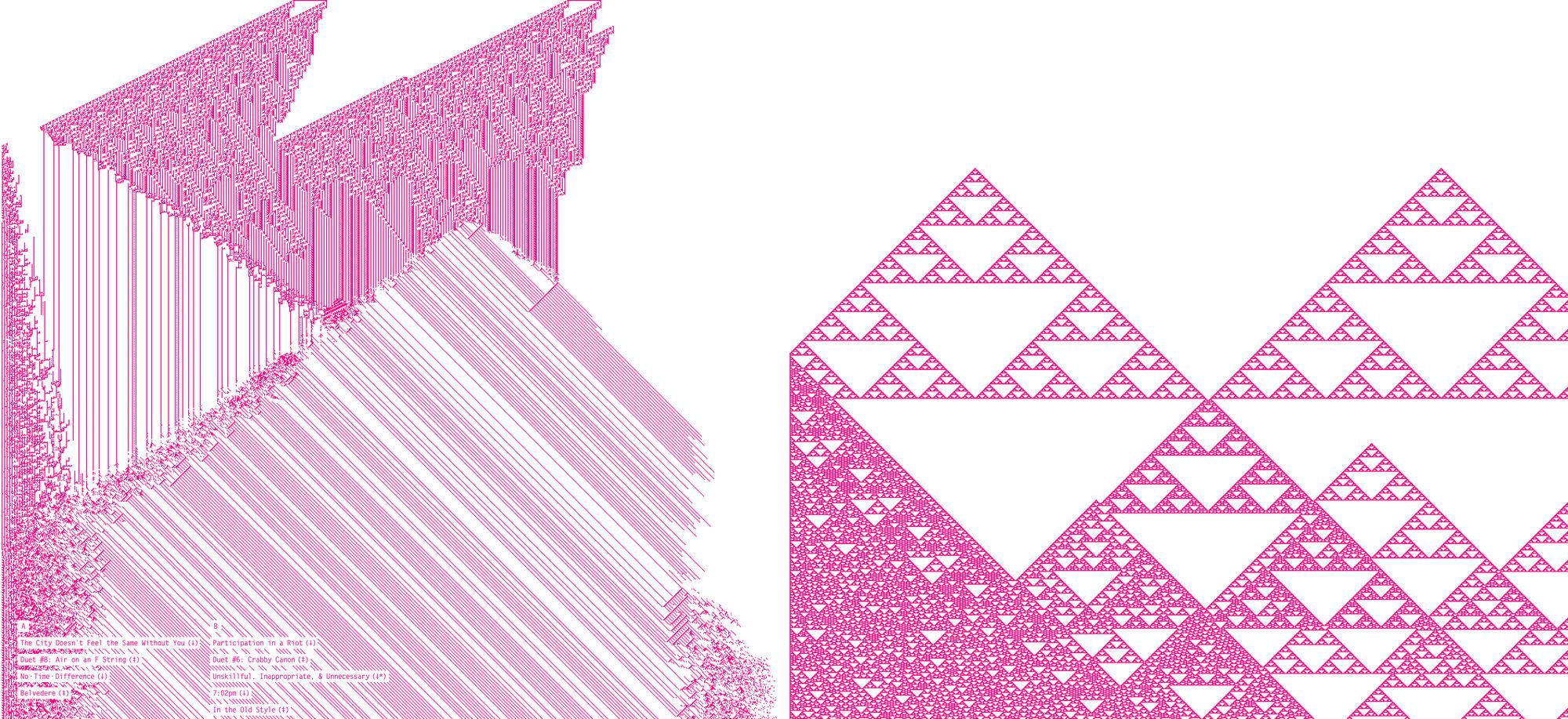
The fronts.
I cut one artwork of 7,680 by 43,200 pixels into 100 fronts.
-
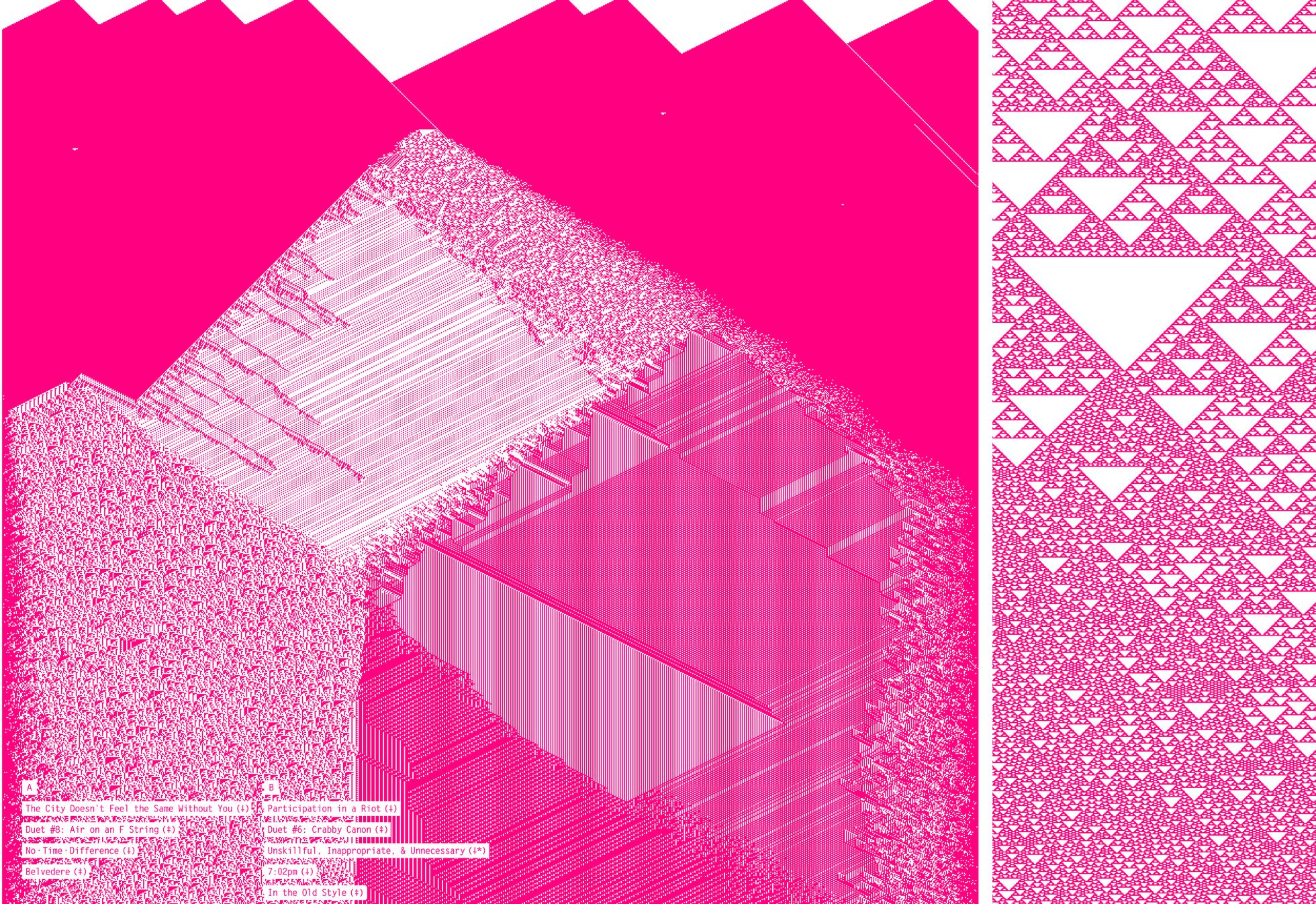
The backs.
I made 200 backs, each its own exploratory piece, and picked every one by hand.
-
The press files.
I made everything for the printer, from the source artwork to the press-ready files: the spines, the disc labels and the printed track lists and credits.
-
WantedThe Swift and Metal render pipeline: the renderer running, or a frame of its code
The pipeline.
I moved the Automata engine to Swift and Metal because it was too slow, and made it produce the images in the right colour profiles for print.
-
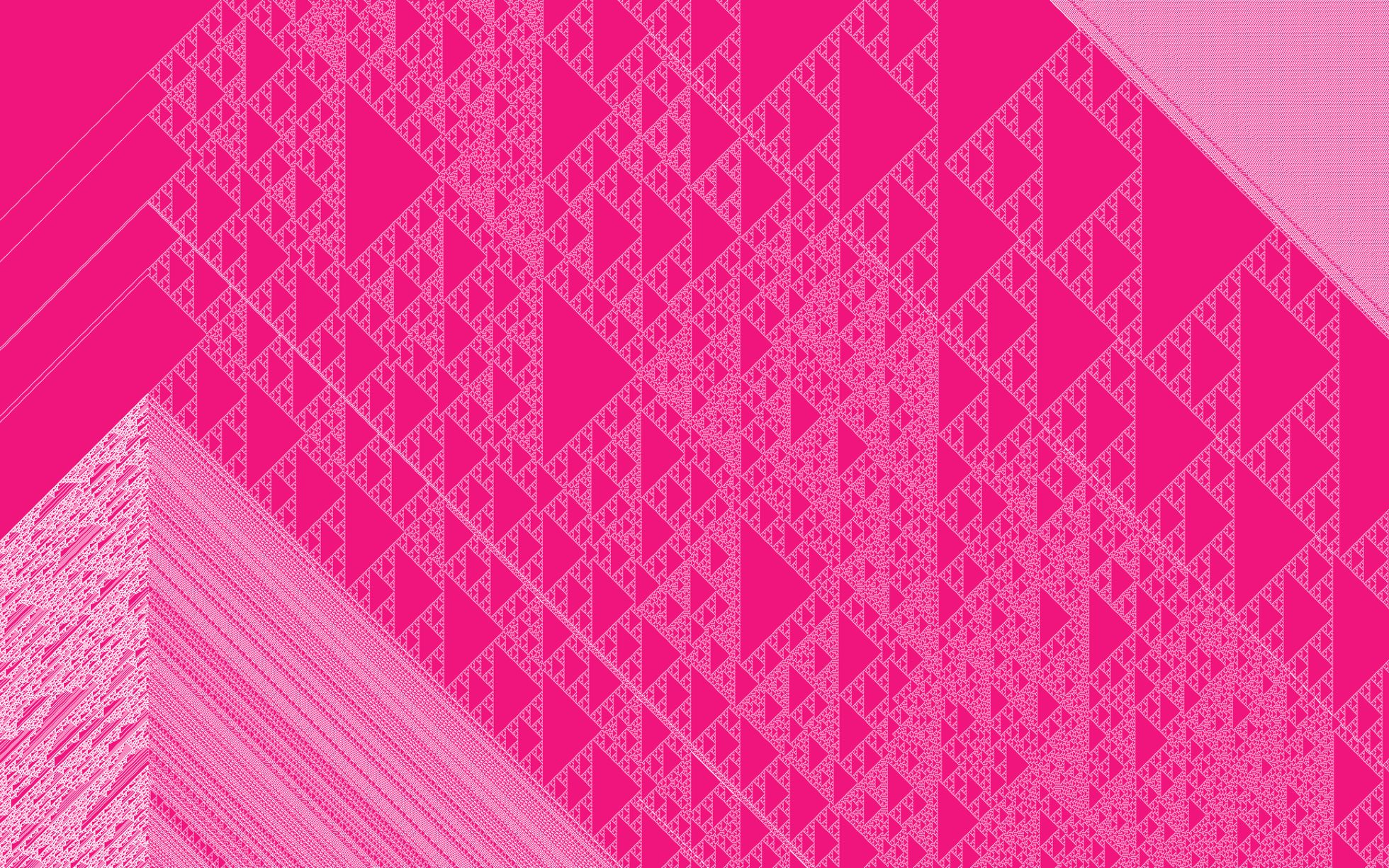
The posters.
I made the four tour posters.
The solution
It should feel like buying an artwork.
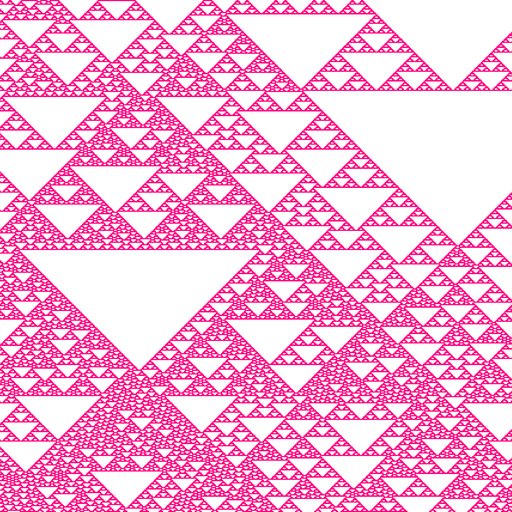
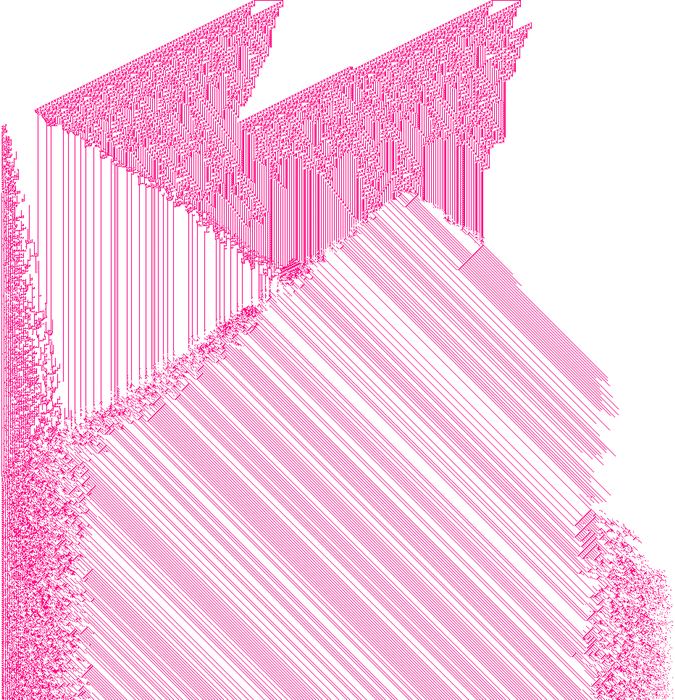
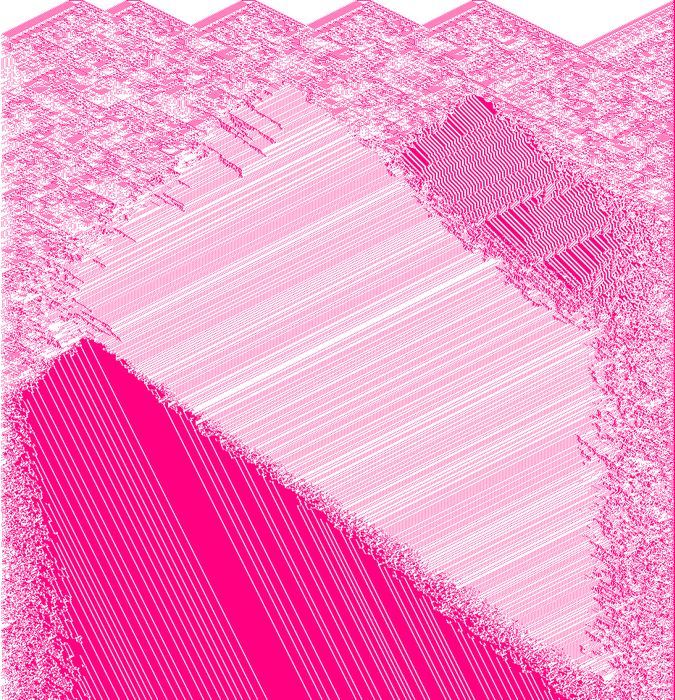
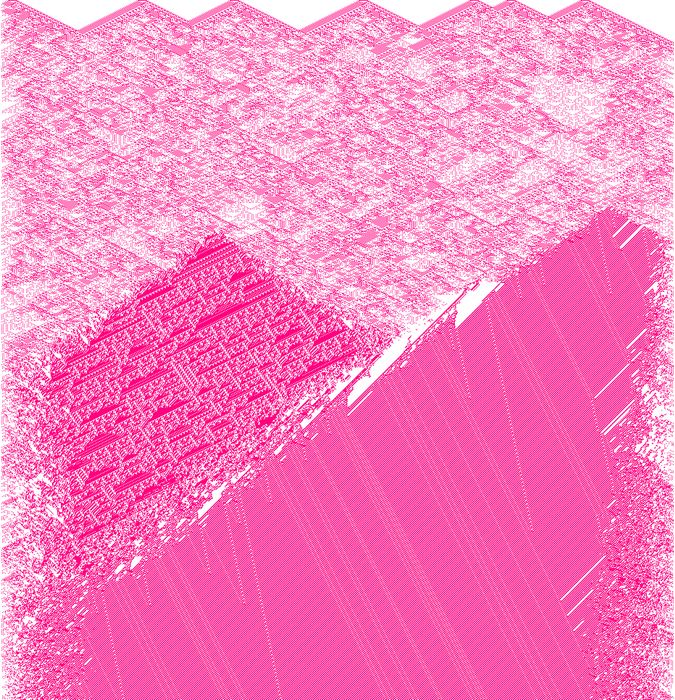
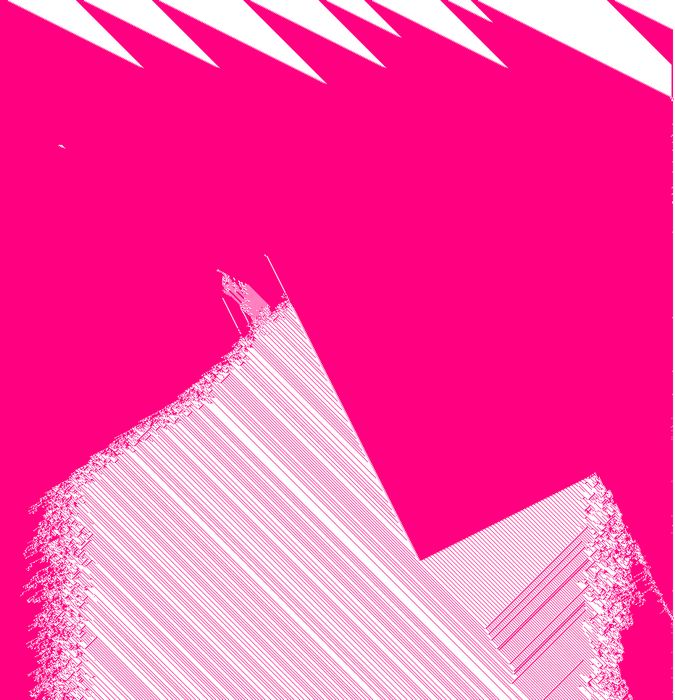
You don't take whichever copy is on top. You look through them and pick yours: some simple, some intricate, some chaotic, some rhythmic.
-
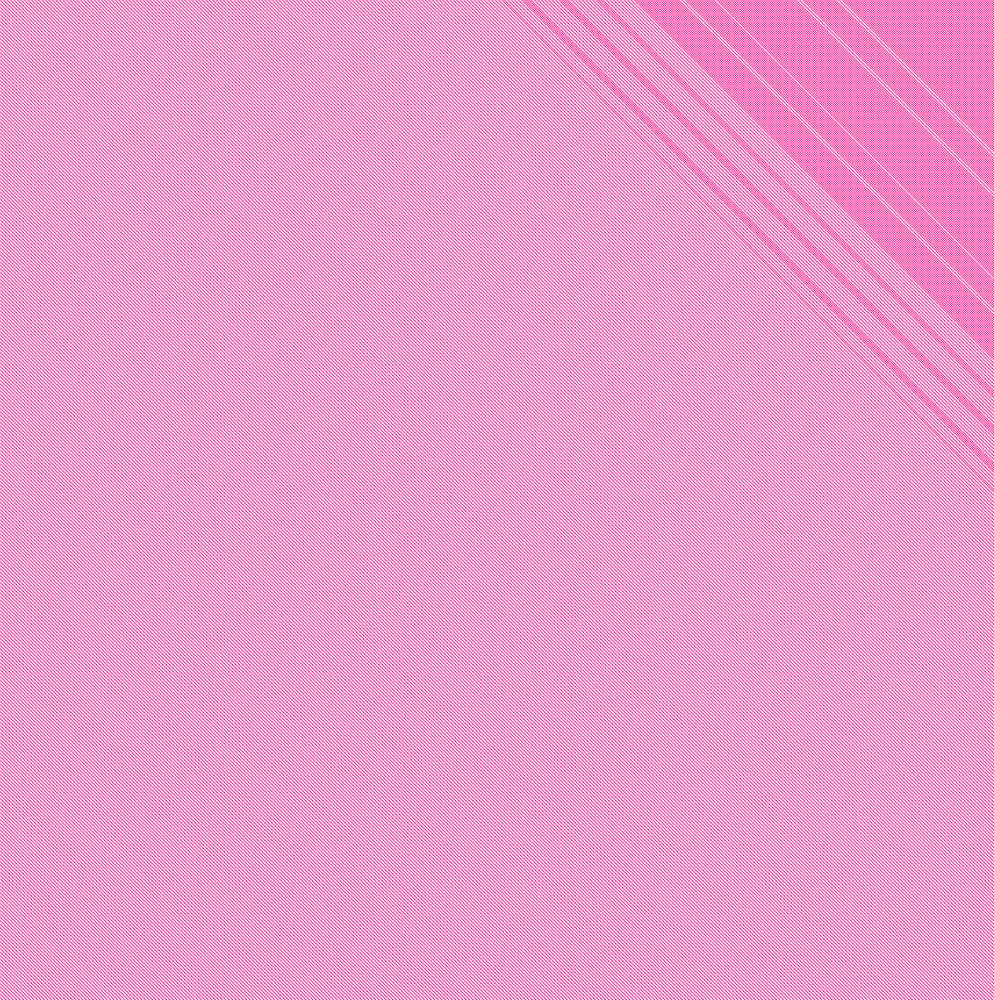
Simple.
Almost one flat pink.
-
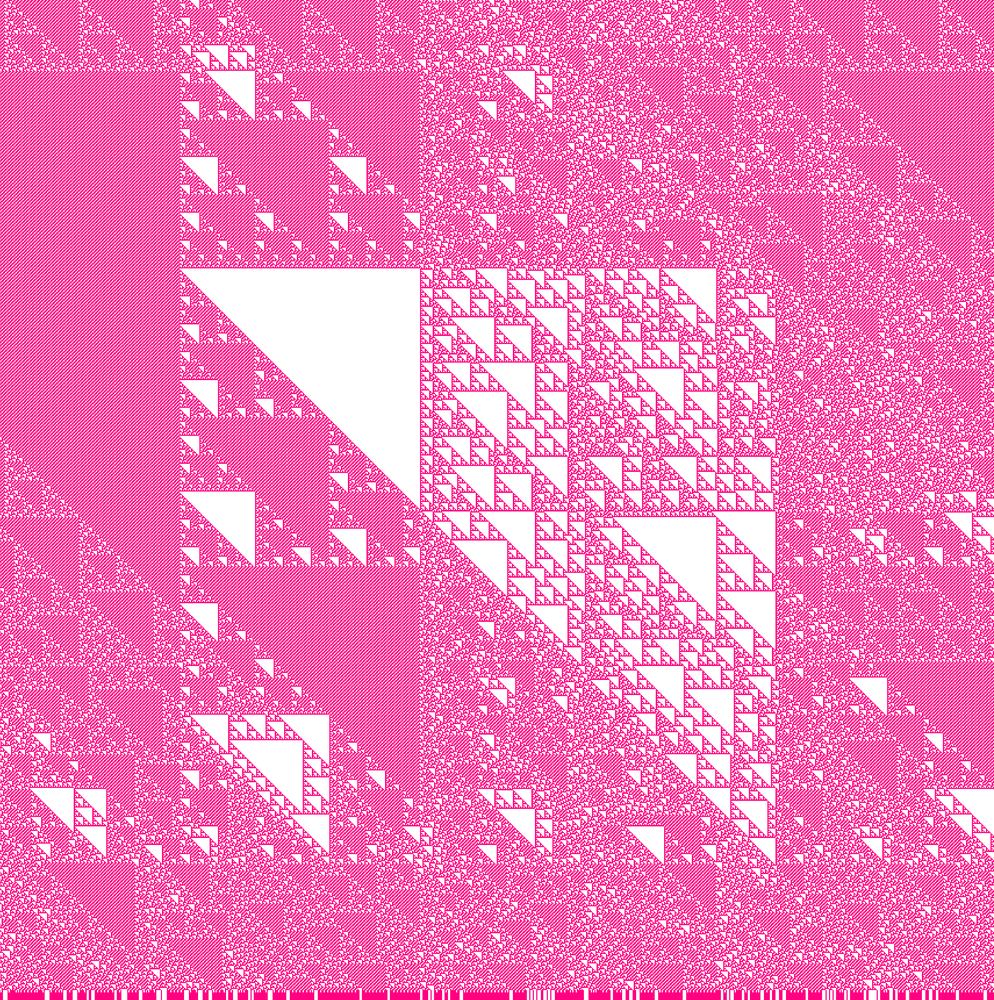
Intricate.
Detail at every scale.
-
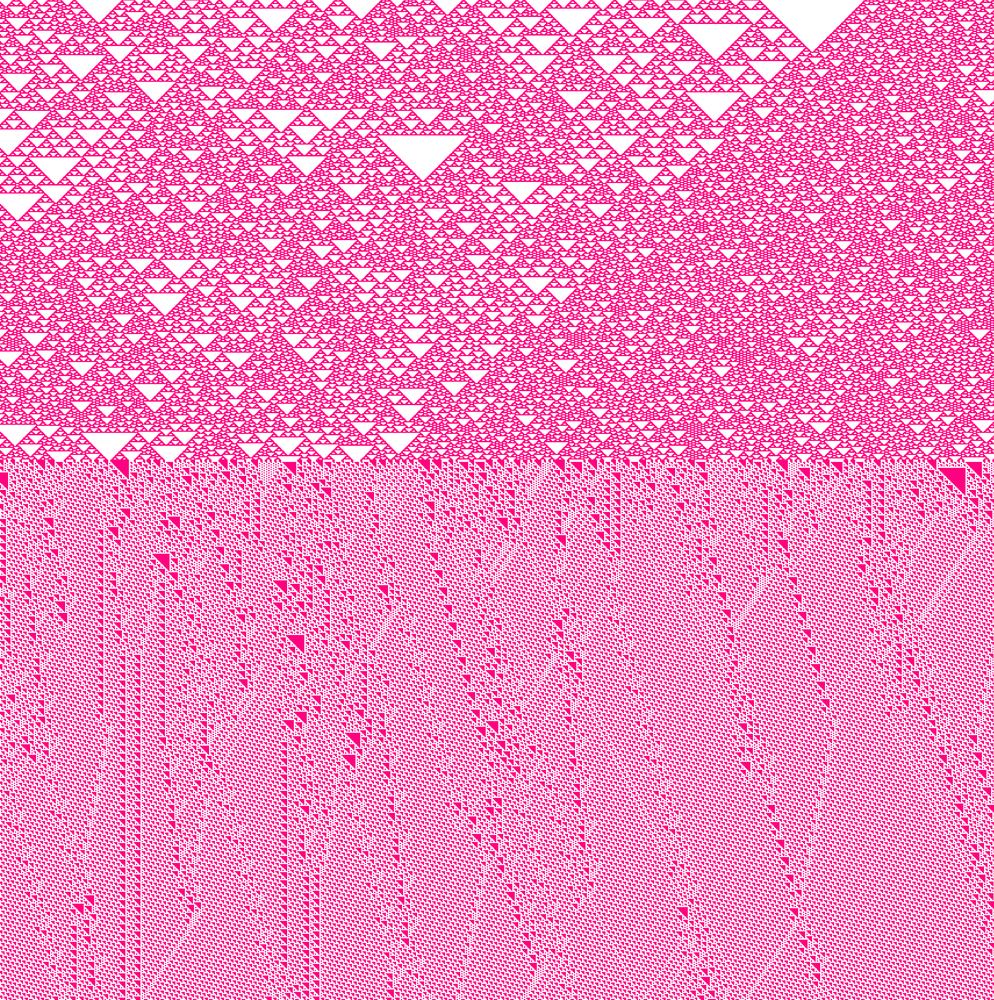
Chaotic.
Noise that breaks into lines.
-
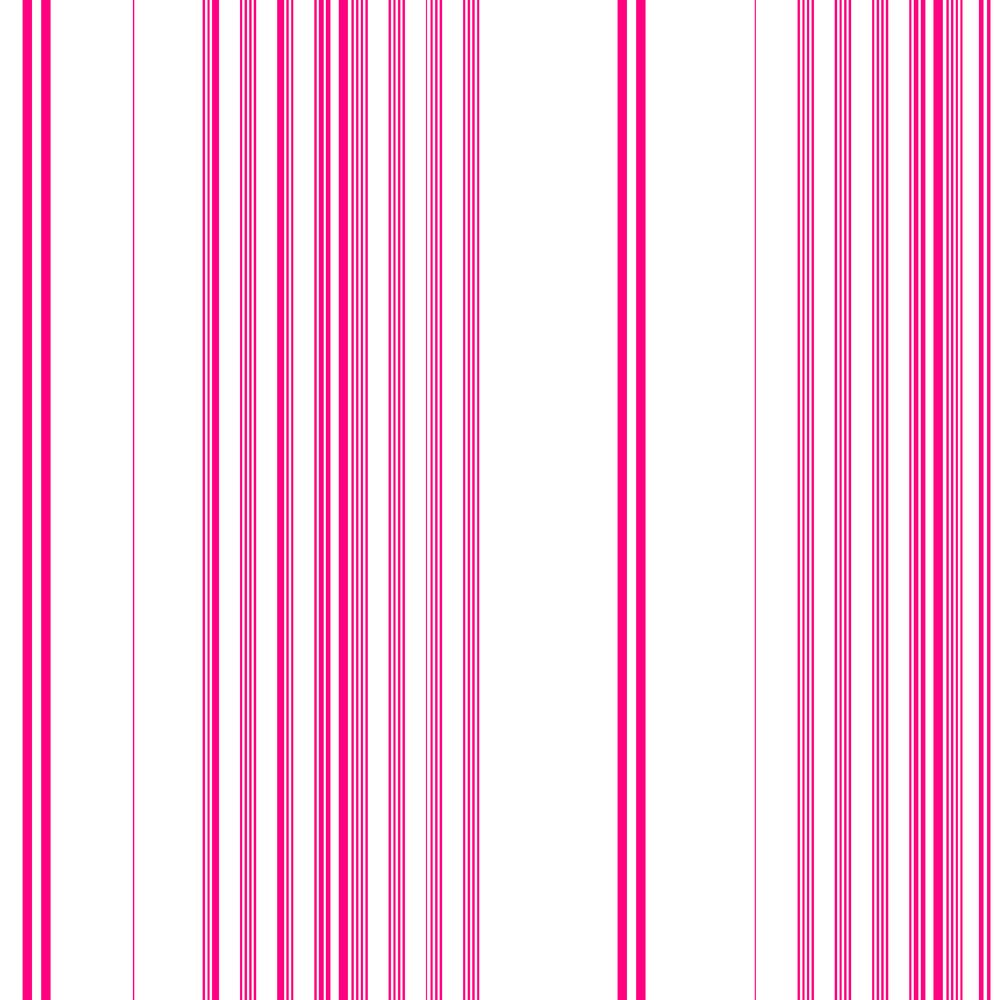
Rhythmic.
Stripes that run straight down.
-
WantedThe printed LP in hand, a photo of a jacket being picked from the edition
The printed LP in hand.
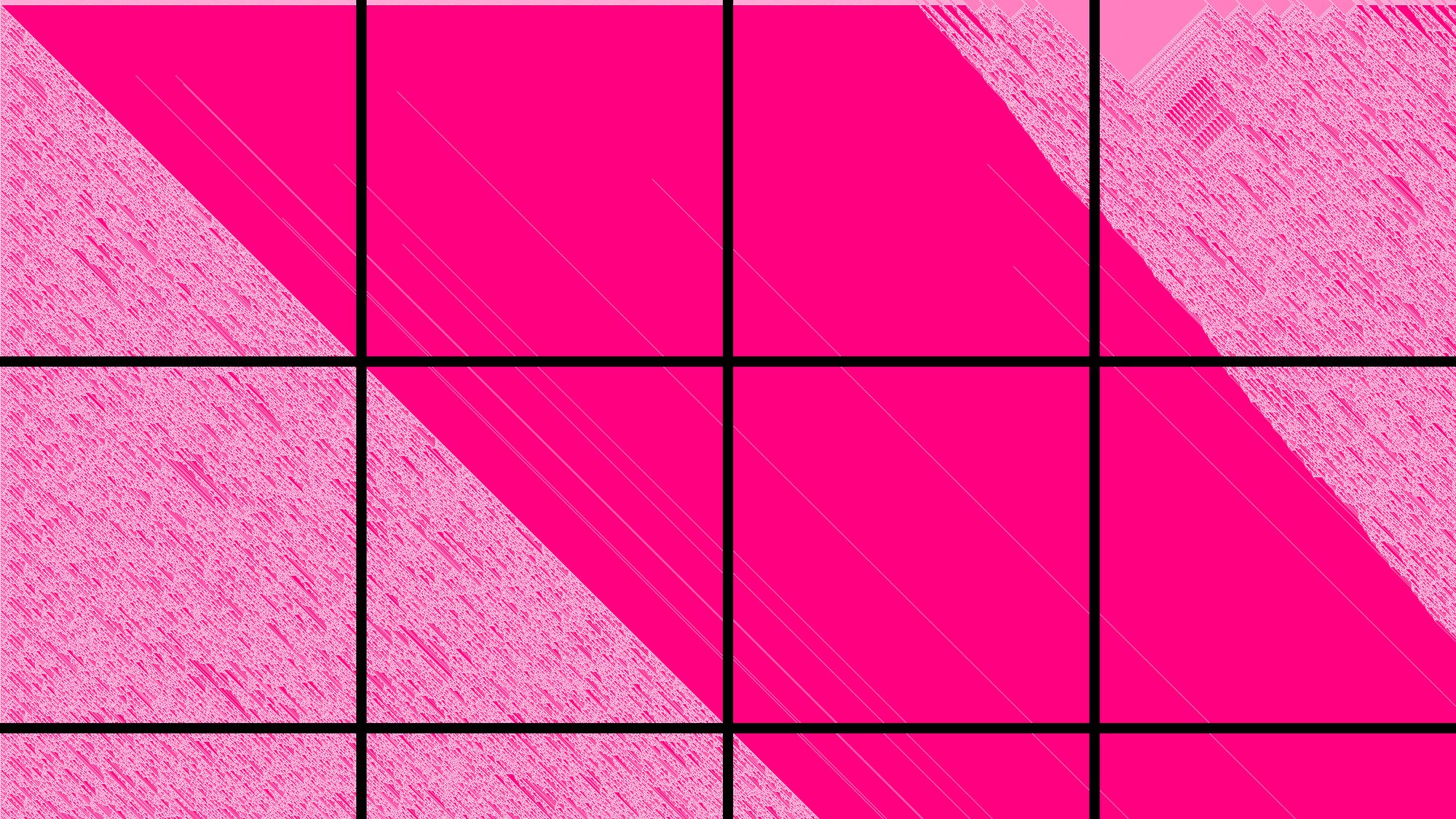
Lay them side by side and the pattern runs from one cover straight into the next. Step back and the hundred are one piece. Get close and yours has its own detail.
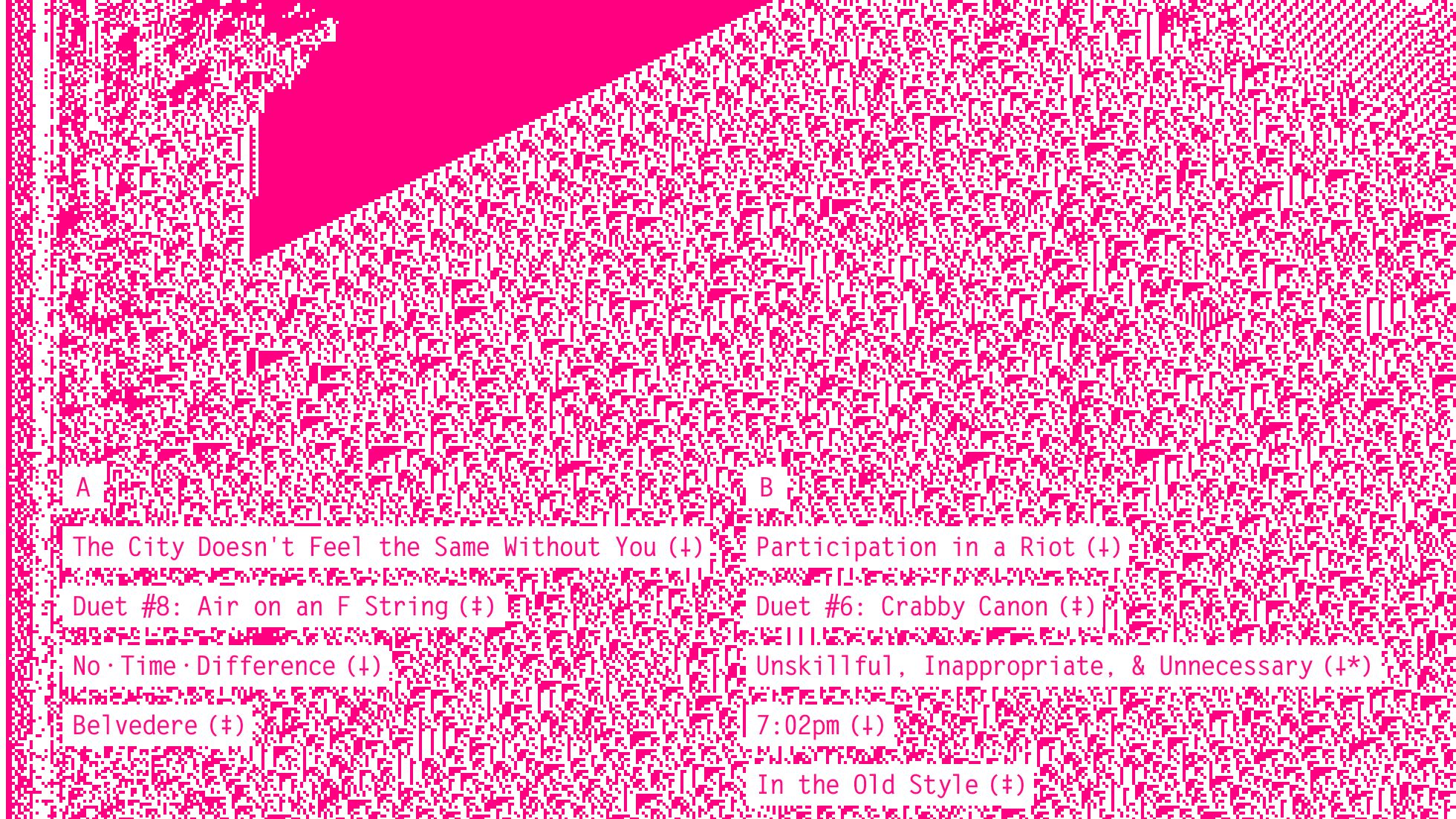
The type stays minimal, in the font from Radiohead's OK Computer, a nod to the covers we'd studied.
Underneath
Remaking a print that couldn't be remade.
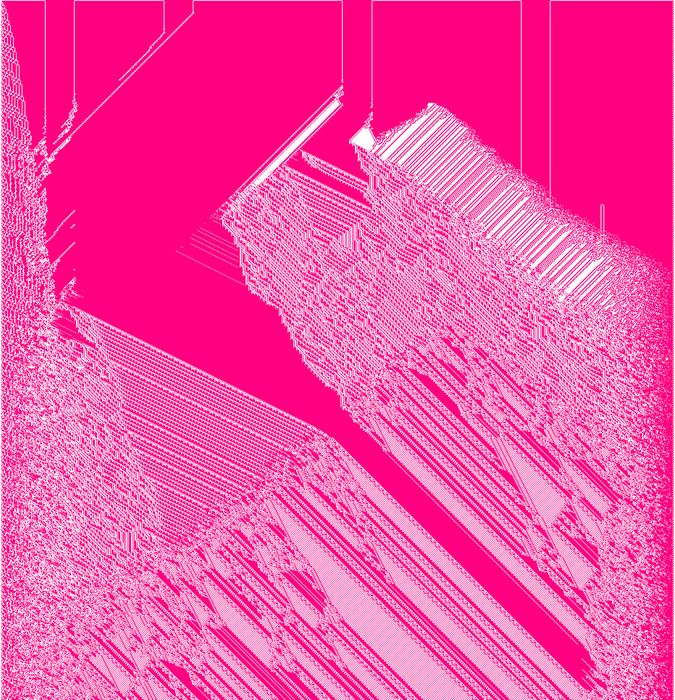
The ten original Automata prints are signed and one of a kind. I'd thrown away the files behind them so no one could make another. For his, I rebuilt it from the print, pixel by pixel. Without that, there was no cover.
The artwork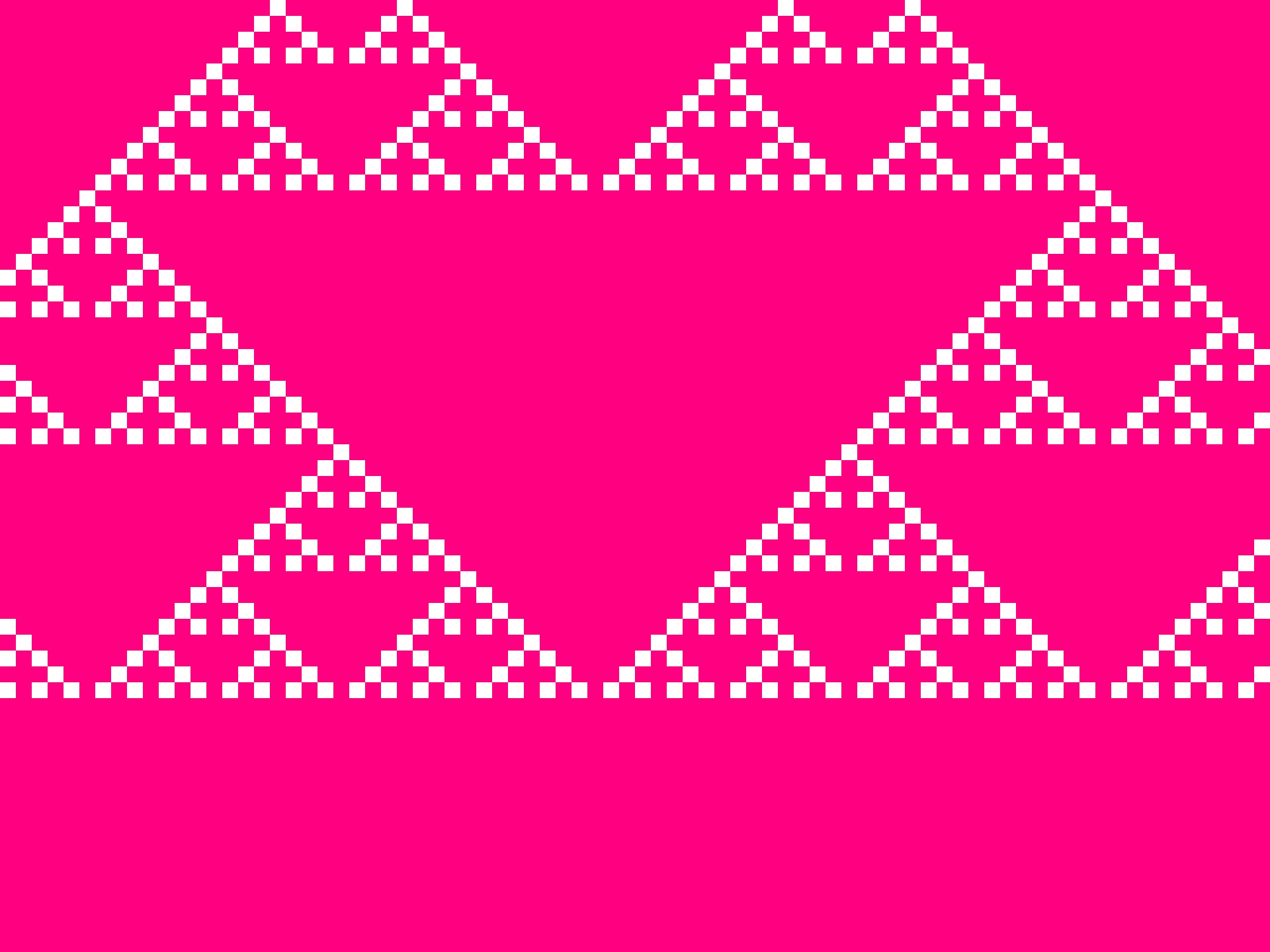 Up close
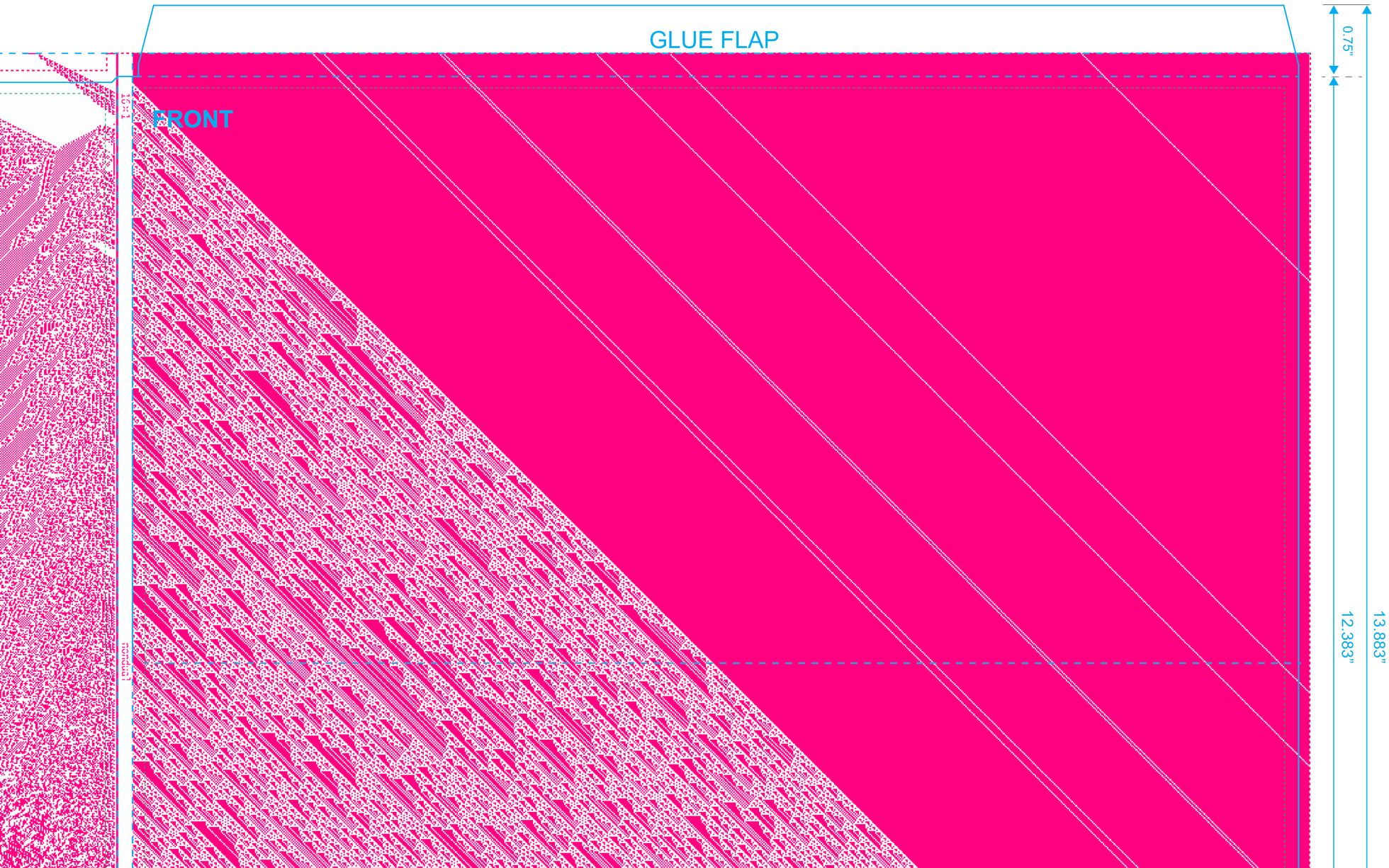
The printer's template wasn't symmetric, and the artwork wouldn't scale by a round number to fill it. I built the math so each cover picks up exactly where its neighbour leaves off, through the cuts and folds.
Across a cut and across a row. The dashed lines mark the cuts.
Tough calls
Anything that hid the whole.
We tried a wraparound: open the jacket flat and the front and back line up. But you'd never see the whole artwork. Cut. We tried 200. We tried one new piece for all the covers. We kept coming back to the fronts as a single artwork and the backs as free rein.
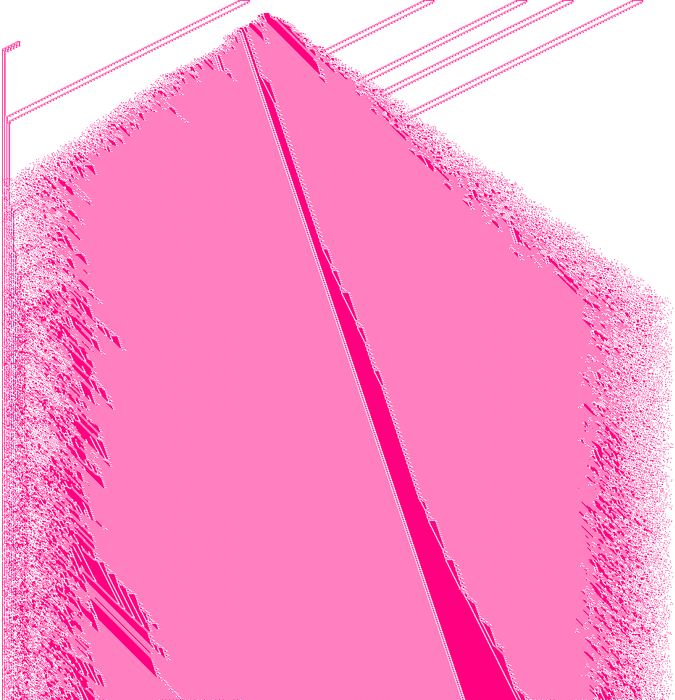
Each back is its own exploratory piece, and I picked every one by hand. The front is one of a hundred. The back is one of one.
The outcome
They sold more than they expected.
People were picking out an artwork for themselves. The artwork went on tour too: a live, animated version, played at their shows. Someone made a dance performance with it.
0
Stat to come.
0
Stat to come.
0
Stat to come.
One of the four tour posters I made, cropped to the artwork.
WantedThe animated artwork playing at one of their shows, and the dance performance with it, photo or clip
My take
Questions? Answers.
-
What did you own?
All of it, from the source artwork to the press-ready files. I was the technical artist, and the only developer and artist on it.
-
Who else worked on it?
The musicians, Cole Schmidt and Alvaro Rojas. The music was complete, and the commission was the packaging for the LP. I showed my cousin versions as I went. Microforum printed the edition.2
-
What was it built with?
A render pipeline in Swift and Metal. The original Automata engine was too slow, so it moved to Metal. It also had to make the images in the right colour profiles for print.
-
Is it finished?
Yes. It was one edition, made from March to June 2026.1 The artwork went on in the animated version they played at their shows.

futrbot.